
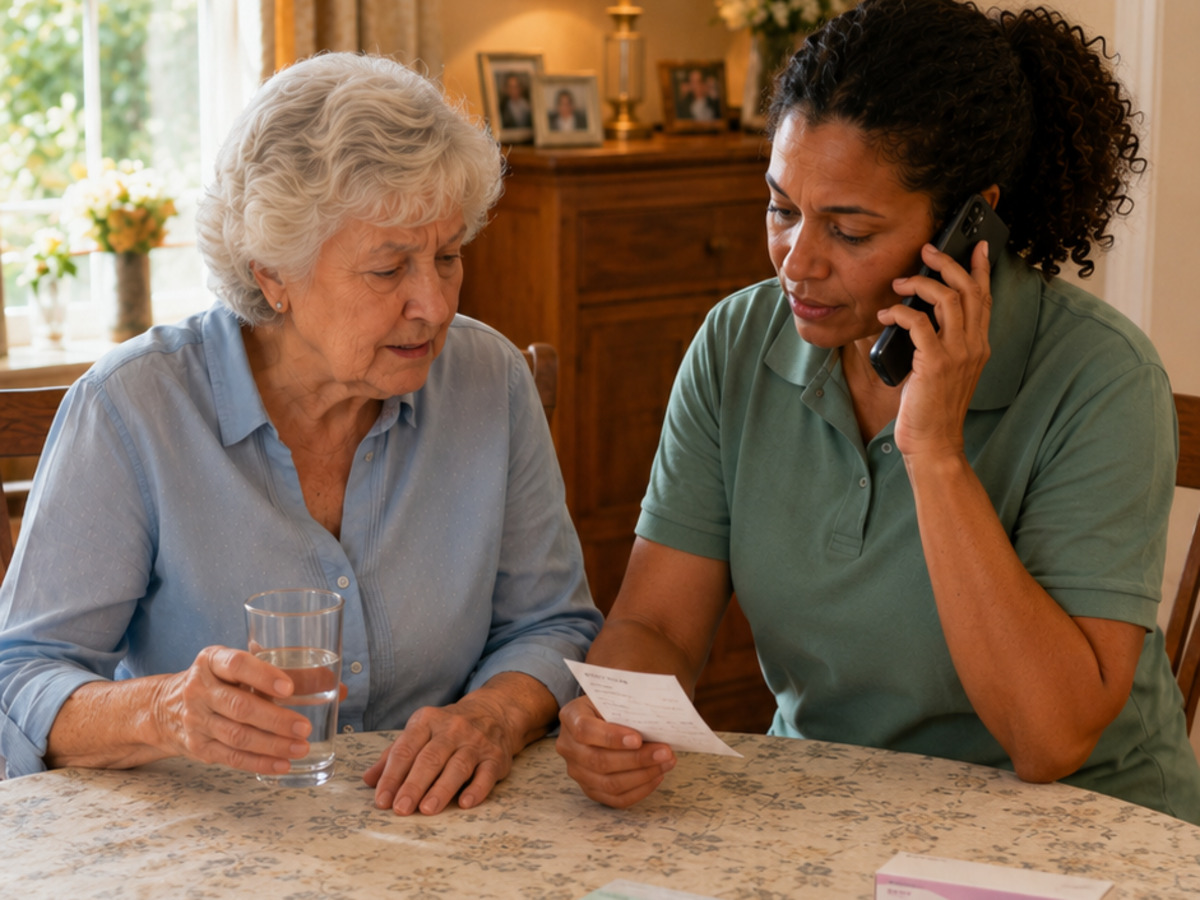
Hot Weather, Medicines and Falls: The Risk We Can Easily Miss
She didn't trip. So why did she fall?
When someone falls, our attention naturally goes to the floor. Was there a loose rug? An obstacle? Poor footwear? These are important questions, but they do not explain every incident.
In hot weather, the chain of events may begin before the person takes a step. Dehydration, a drop in blood pressure when standing and the effects of some prescribed medicines can all contribute to dizziness or unsteadiness.
The person may not have tripped at all.
What happens when someone stands?
When a person moves from sitting or lying to standing, gravity causes blood to move towards the lower part of the body. The body would normally respond quickly to maintain blood flow to the brain.
Sometimes blood pressure drops too far during this change of position. This is known as postural or orthostatic hypotension. It can cause light-headedness, dizziness, weakness, blurred vision, nausea, fainting or simply a sudden feeling of being unsteady.
Symptoms often appear shortly after standing. For care staff, that timing can be an important clue.
Why can hot weather increase the risk?
During hot weather, the body loses more fluid through sweating. If a person does not replace enough fluid, the volume of blood circulating through the body can reduce. This may lower blood pressure and make dizziness on standing more likely.
Older people can be particularly vulnerable. They may feel less thirsty, need support to access drinks, avoid drinking because of continence worries, or be unable to explain that they feel dizzy or unwell.
Hot environments can add to the problem. A person may be affected indoors, especially in a warm bedroom, conservatory or poorly ventilated room. The risk is not limited to people sitting outside in direct sunlight.
Where do medicines fit in?
Some medicines can increase vulnerability during hot weather. For example, certain medicines may contribute to fluid loss, lower blood pressure, affect alertness or make it harder for the body to regulate temperature.
This does not mean the medicine is inappropriate, and it does not mean staff or the person should stop it.
Prescribed medicines should not be stopped, omitted or altered without advice from an appropriate healthcare professional. If there are concerns, record what has changed and seek advice from the person's GP, pharmacist, prescriber or relevant clinical service in line with the care plan and local policy.
Look beyond "she had a fall"
The quality of the information gathered after a fall or near fall can make a real difference.
Useful questions include:
- What was the person doing immediately beforehand?
- Had they just stood up from a chair, bed or toilet?
- Did they describe dizziness, weakness, blurred vision or feeling faint?
- Had they been eating and drinking as usual?
- Was the room unusually warm?
- Had there been diarrhoea, vomiting, fever or another possible cause of fluid loss?
- Have there been other recent falls, near falls or changes in mobility?
- Has there been any recent medicine change?
- Were there signs of injury or acute illness requiring urgent assessment?
"Found on floor" may be factually correct, but it tells the next person very little about why the incident happened. A clear account of the circumstances, symptoms, observations and action taken can help a clinician or pharmacist recognise a pattern.
Practical actions for care teams
Staff should follow the person's care plan, falls policy and local escalation procedures. Depending on the person's assessed needs, useful preventive actions may include:
- supporting slow changes of position rather than rushing from lying or sitting to standing;
- making suitable drinks accessible and offering them regularly when this is appropriate;
- following any individual fluid plan or restriction;
- helping to keep the environment cool;
- noticing changes in eating, drinking, continence, alertness or mobility;
- documenting falls and near falls clearly;
- escalating new or repeated symptoms for appropriate clinical review.
If someone becomes dizzy, encourage them to stop and sit or lie down safely. Follow their care plan and seek appropriate advice. If they are seriously unwell, have sustained a significant injury, lose consciousness, develop chest pain, severe breathlessness, new neurological symptoms or signs of heatstroke, seek urgent or emergency help.
The fall may be the final event, not the first
A fall is not always caused by something on the floor. It may be the visible end of a chain involving heat, hydration, blood pressure, illness, medicines or a change in the person's usual condition.
That is why good falls prevention is not limited to removing hazards. It also depends on knowing the person, noticing patterns and communicating meaningful change.
A fall may start before the floor.
Safe Skills Training
Safe Skills Training helps care teams build the observation, clinical reasoning and escalation skills needed to recognise deterioration and provide safer, more individualised care.
To discuss training for your organisation, visit:
https://www.safeskillstraining.com
SOURCES
Guys and St Thomas' NHS Foundation Trust: Postural hypotension
https://www.guysandstthomas.nhs.uk/health-information/postural-hypotension
MHRA: Don't let this heatwave affect your medicines
https://www.gov.uk/government/news/dont-let-this-heatwave-affect-your-medicines-three-important-tips-from-the-mhra
UKHSA: Supporting vulnerable people before and during hot weather
https://www.gov.uk/guidance/supporting-vulnerable-people-before-and-during-hot-weather-healthcare-professionals